7 Common Wardrobe Design Mistakes to Avoid
A wardrobe should do more than look attractive. It needs to provide convenient storage, easy access and long-term usability. A design that looks impressive but does not match the user’s daily needs can quickly become inconvenient.

Avoiding these common wardrobe design mistakes can help create a storage system that is both stylish and practical.
1. Taking Incorrect Measurements
One of the most common wardrobe planning mistakes is working with inaccurate measurements. Even a small measurement error can create problems during installation, especially when the wardrobe is designed to fit from floor to ceiling or between two walls.
Before manufacturing, check the available height, width and depth carefully. Also consider skirting, electrical switches, doors, windows and other furniture that may affect the available space.
2. Planning Only the Exterior Design
Beautiful shutters and finishes can make a wardrobe look premium, but the internal layout is equally important. Focusing only on the outside can result in insufficient shelves, hanging space or drawers.
The internal layout should be planned according to the clothes and accessories that will actually be stored. Separate sections can be created for hanging clothes, folded garments, shoes, bags and accessories.
3. Not Providing Enough Storage
A wardrobe that looks spacious may still lack useful storage if the internal sections are poorly planned. Small drawers, adjustable shelves and dedicated accessory compartments can make a significant difference.
Think about your current storage requirements as well as items you may need to store in the future. Using vertical space efficiently can also provide additional storage without increasing the wardrobe footprint.
4. Ignoring Lighting
Dark wardrobe interiors can make it difficult to find clothes, especially in deep shelves and corners. This problem can be avoided by incorporating suitable lighting during the design stage.
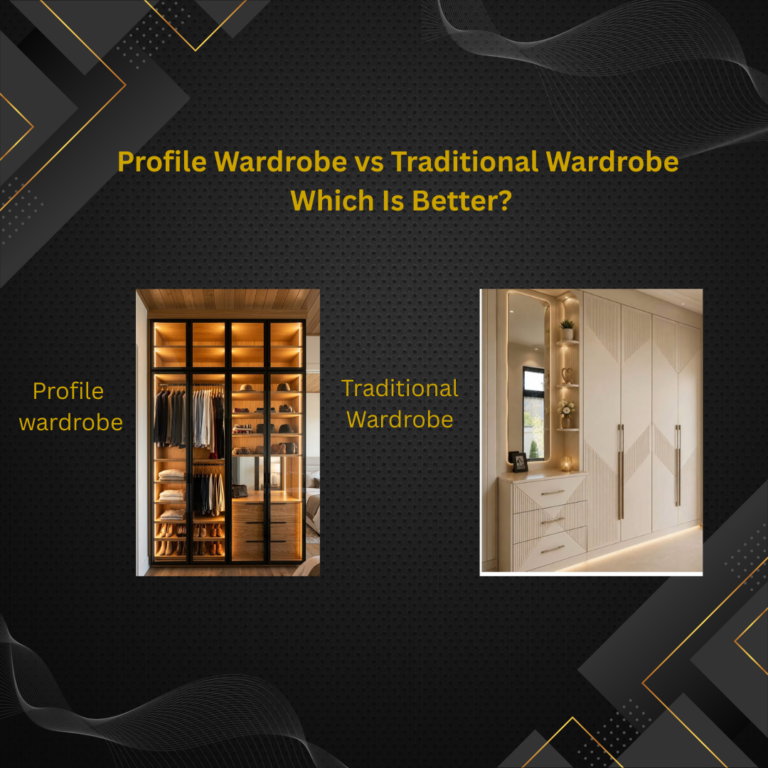
LED strip lights, shelf lighting and sensor-based lights can improve visibility. Properly positioned lighting can also highlight glass shutters, profiles and premium finishes.
5. Choosing Looks Over Functionality
A wardrobe should complement the bedroom, but appearance should not come at the expense of practicality. Oversized handles, difficult-to-reach shelves or unnecessary decorative elements can make everyday use less convenient.
The best design balances the visual style with accessibility. Every section should have a clear purpose and be comfortable to use.
6. Selecting Poor-Quality Hardware
Hinges, channels, handles, rollers and other hardware are used repeatedly, so their quality can affect the wardrobe’s long-term performance.
For sliding wardrobes, the track and roller system is particularly important. For hinged wardrobes, hinges should be suitable for the size and weight of the shutters. Soft-close systems can also improve everyday usability.
7. Forgetting Future Storage Requirements
Storage requirements can change over time. A wardrobe designed only for today’s belongings may become difficult to manage later.
Adjustable shelves, flexible hanging sections and modular accessories can make the wardrobe easier to modify. Planning some additional storage capacity can also help accommodate new clothes, bags, shoes and accessories.
A Simple Planning Checklist
Before finalising a wardrobe design, check the following:
Space: Are the measurements accurate?
Storage: Is there enough room for hanging, folding and accessories?
Accessibility: Can frequently used items be reached easily?
Lighting: Are darker sections properly illuminated?
Hardware: Are the hinges, channels and other mechanisms suitable?
Materials: Are the selected boards and finishes appropriate for the room?
Future needs: Can the storage arrangement adapt over time?
Why Professional Planning Matters
A well-planned wardrobe combines measurements, storage requirements, materials, hardware, lighting and design into one practical system. Considering these elements before manufacturing can reduce installation issues and help create a wardrobe that remains functional for years.
Whether it is a compact bedroom wardrobe, a full-height storage unit or a luxury walk-in wardrobe, careful planning is the key to achieving the right balance between style, storage, accessibility and durability.