Walk-In Wardrobe Ideas for a Stylish and Organised Home
What Is a Walk-In Wardrobe?
A walk-in wardrobe is a dedicated storage space where you can easily organise and access clothes, shoes, bags, accessories and other personal items. Unlike a traditional wardrobe, a walk-in design gives you enough space to move around while selecting your clothes. It can be designed according to the room size, storage requirements and personal style.
What Are the Best Walk-In Wardrobe Ideas?
There are several walk-in wardrobe designs that can make your dressing area both functional and attractive. The right design depends on the available space and the type of storage you need.
1. Open Shelf Walk-In Wardrobe
Open shelves are a practical option for people who want quick access to their clothes and accessories. They allow you to see everything clearly and make the room feel more open. You can combine shelves with hanging sections, drawers and shoe racks for better organisation.
2. What Is a Luxury Walk-In Wardrobe Design?
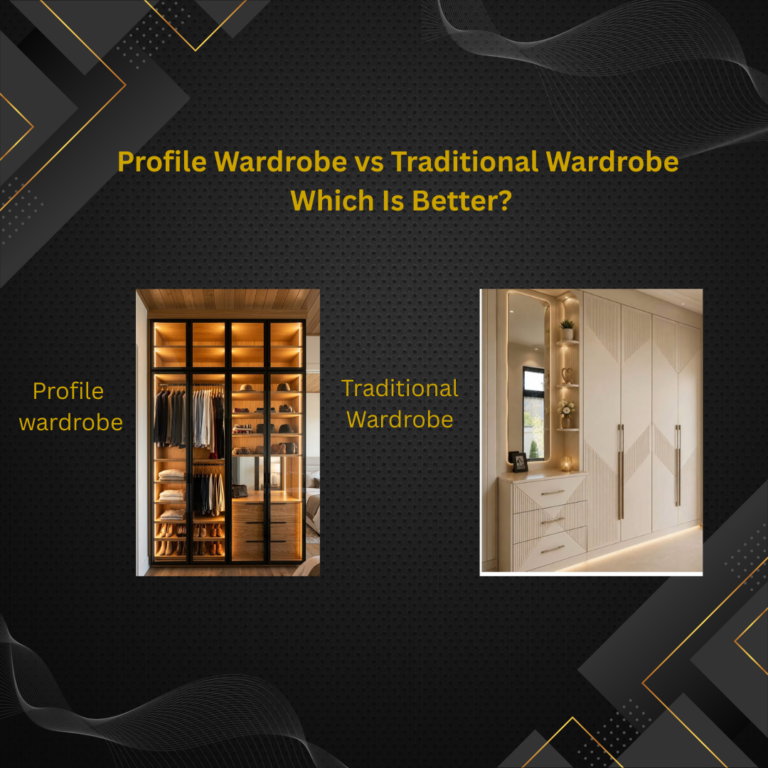
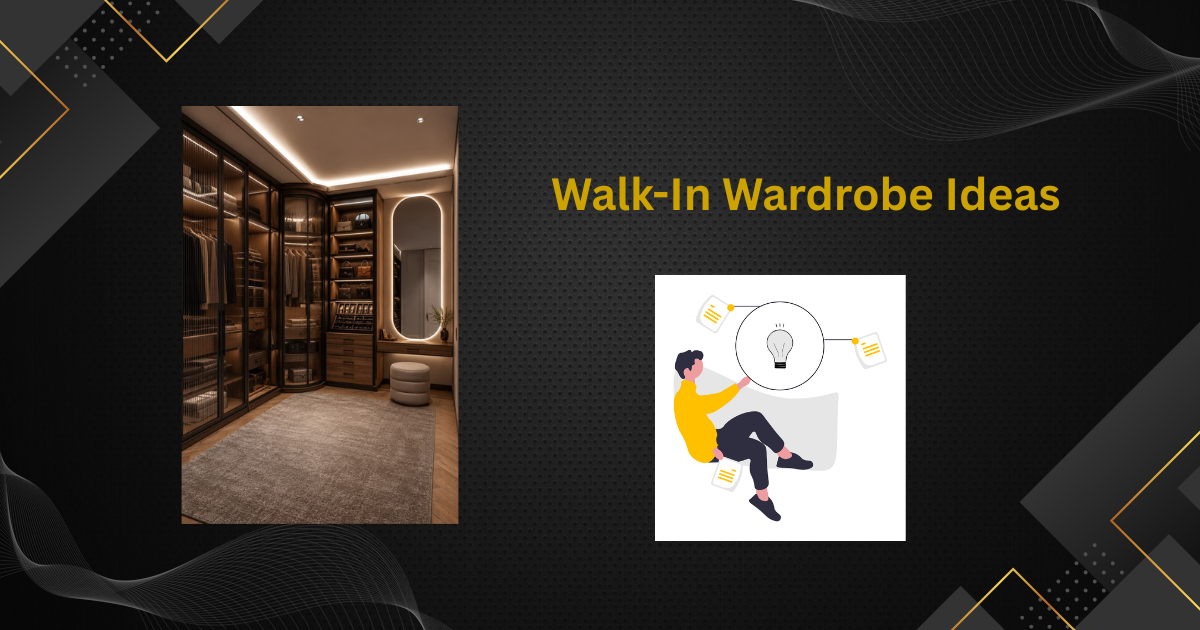
A luxury walk-in wardrobe can include premium finishes, glass shutters, aluminium profile systems, modern handles and integrated LED lighting. Neutral colours, wood finishes and glass elements can create an elegant appearance while keeping the storage practical.
3. Is an L-Shaped Walk-In Wardrobe Good for Small Spaces?
Yes, an L-shaped walk-in wardrobe can make efficient use of corners and is suitable for many medium-sized rooms. Storage units can be installed along two adjoining walls, leaving enough space in the centre for movement. This layout can include hanging areas, shelves and drawers without making the room feel overcrowded.
4. What Is a Walk-In Wardrobe With an Island?
A wardrobe island is a storage unit placed in the centre of a walk-in wardrobe. It can provide additional drawers and compartments for watches, jewellery, sunglasses, wallets and other accessories. A countertop can also be used as a convenient surface for organising everyday items.
What Features Should a Walk-In Wardrobe Have?
A well-planned walk-in wardrobe should include storage features based on your daily requirements. Important features can include:
- Hanging sections for shirts, trousers and dresses
- Adjustable shelves for folded clothes
- Drawers for smaller accessories
- Shoe storage
- Full-length mirror
- LED lighting
- Jewellery and accessory compartments
- Overhead storage for less frequently used items
How Can Lighting Improve a Walk-In Wardrobe?
Good lighting makes it easier to find clothes and accessories while also improving the overall appearance of the wardrobe. LED strip lights can be installed inside shelves, under hanging sections or around wardrobe profiles. Sensor-based lighting can also be useful because the lights can turn on automatically when the wardrobe is being used.
Which Materials Are Suitable for a Walk-In Wardrobe?
Walk-in wardrobes can be created using different materials and finishes depending on the desired style and budget. Laminates and mica finishes offer many colour and texture options, while glass shutters can create a modern appearance. Aluminium profile wardrobes are another option for people looking for a contemporary and premium design.
How Do You Choose the Right Walk-In Wardrobe Layout?
Start by measuring the available space and deciding how much storage is required. Consider the number of users, the amount of hanging clothing, folded clothes, shoes and accessories. The walking space should also remain comfortable. A professional wardrobe designer can help create a layout that uses the available space efficiently.
How Can You Make a Walk-In Wardrobe Look More Premium?
A premium look can be created by combining quality finishes, organised storage, modern profiles, glass elements and suitable lighting. Matching colours throughout the wardrobe can also create a cleaner appearance. Mirrors and carefully planned LED lighting can make the dressing area feel more spacious and sophisticated.
Is a Walk-In Wardrobe Worth It?
A walk-in wardrobe can be a practical choice when you have enough space and require additional organised storage. With the right planning, it can combine clothing storage, accessory organisation, lighting and dressing space in one area. The design should focus on both appearance and everyday usability.